Sewer Backup Cleanup
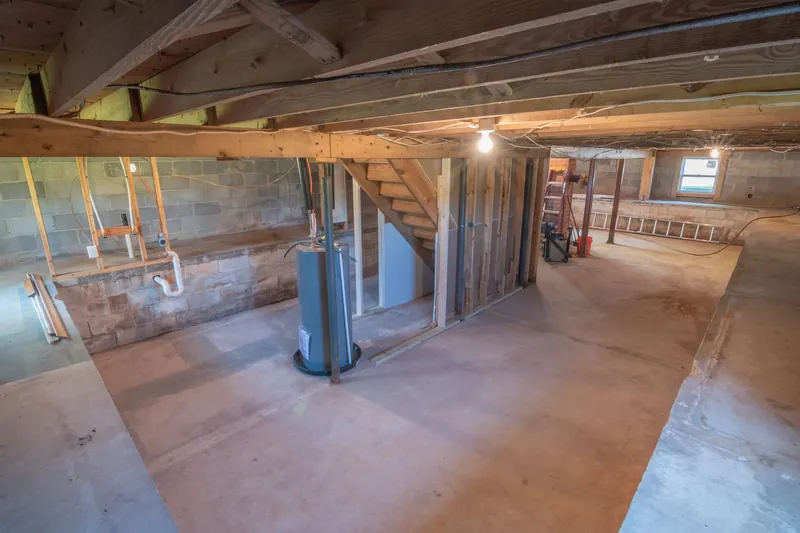
Basements, lower levels and floor drains receive cleanup after a sewer backup.
See sewer backup cleanupGet Category 3 black water removed from a home, apartment, rental or business in Westwood. Sewage cleanup includes contaminated material removal, cleaning, disinfection, odor control and structural drying.
Raw sewage cleanup means taking out Category 3 black water along with affected material, then disinfecting, cleaning in detail, treating odors and drying structural areas.
Sewage can enter through a backed-up toilet, shower or floor drain, a broken sewer line, or an outdoor spill. It may contain human waste, bodily fluids, bacteria and other hazardous materials. The visible water is only part of the problem because liquid can move under flooring, behind baseboards and into nearby rooms.
Contamination is addressed by sewage cleaning after no more wastewater is entering. The steps can involve removing water and porous items, washing surfaces, measuring moisture, drying and keeping an EPA-registered disinfectant in place through the label's entire contact time. A plumber corrects a blocked or damaged pipe. The cleaning and drying of affected materials comes afterward.
The planned extraction, removal, cleaning, drying and documentation are explained to you prior to starting the cleanup process.
Photos, moisture records and an itemized scope can be organized for insurance companies, property owners and managers.
Personal property is sorted by material and exposure, so items that may be cleaned are separated from items that cannot be safely kept.
Calls are answered day and night. Describe where the sewage began, the affected areas and any urgent dangers. Crews can arrive in unmarked vehicles.
Contamination left by wastewater inside a building, beneath it or outdoors can call for professional sewage cleanup. Common examples are:
A toilet releases wastewater that contains human waste or has moved beyond the bathroom into halls and nearby rooms.
When wastewater backs up from a tub or shower, it can affect grout, baseboards, floors and anything resting there.
A line break or overflow leaves raw sewage in a yard, on a patio or across another outdoor surface near the property.
A sewer or floor drain backup sends black water across finished floors, concrete, walls or property kept in storage.
Before any cleaning, focus on keeping people from exposure and preventing more wastewater entry. Start with these steps:
Call (888) 440-9227Published guides put most sewage cleanup jobs at $2,000 to $10,000 per job. Category 3 sewage, the most contaminated kind of water, is listed at $2,500 to $10,000 per job. These are planning ranges, not a quote. Your price depends on the area affected, how far the water spread, material removal, drying and waste disposal.
These ranges come from published national cost guides, not from a site visit. After an on-site assessment, the price for your property is determined and shared with you before cleanup begins.
Ask about cost: (888) 440-9227Coverage depends on the cause of the backup and the terms, limits and exclusions in your policy. Report the loss quickly, ask specifically about sewer or drain backup coverage and wait for clear instructions when conditions allow.
Photos, moisture readings, an itemized scope and disposal records can help your insurance company assess the claim. Record your claim number and preserve copies of correspondence.
Your basic policy might classify a drain or sewer backup separately from other types of water damage. Ask whether you added a sewer backup endorsement and whether cleanup, removal and restoration are included.
Payment responsibility can vary based on lease terms, the source of the failure and its location. Tell the property manager or owner about the condition and preserve your records.
The property owner generally covers cleanup expenses when insurance excludes the loss. Clarify the urgent work, the steps that can wait and the process for approving any revised scope.
Sewage remediation uses an ordered process. The work isolates the contaminated zone, extracts black water, cleans exposed areas and verifies that the structure is dry. Trained technicians manage each stage from beginning to end. Since the scope is based on every surface and material reached by wastewater, the plan must fit the specific damage.
Cleanup technicians record the starting condition while checking the source location and surrounding areas for materials affected by sewage.
The work zone is kept apart from clean spaces, access is controlled and cleanup personnel wear exposure-specific protective equipment.
Pooled wastewater is removed using suitable extraction equipment, with recoverable sewage controlled to protect clean areas from further spread.
Crews clear the affected area of wet insulation, carpet, padding, drywall and additional absorbent materials when thorough cleaning is impossible.
Remaining hard surfaces are cleaned first, then treated with an EPA-registered disinfectant for the full contact time shown on its label.
Removed material is contained and taken away according to the rules that apply to the waste and the location. Those requirements determine its legal status, including any classification as hazardous waste.
After removal and cleaning, technicians manage structural drying with airflow, moisture checks and dehumidification.
A final check for residual dampness, smells or hidden damage comes before restoration services move forward with replacement drywall, insulation or floors.
Phone any hour. A specialist in raw sewage cleanup takes your call, explains each step and agrees on a start time with you.
Raw sewage can expose you to harmful microorganisms, contaminated objects and hidden moisture, so a large or spreading backup should not be treated like ordinary household water.
According to the EPA, wet materials can start developing mold within 24 to 48 hours. Extraction alone is not enough. The cleaned structure also needs controlled drying and moisture checks.
Wastewater can carry parasites, harmful bacteria and viruses. Loved ones who have health concerns should stay beyond the affected area while you avoid splashes, contaminated dust and direct skin exposure.
Sewage is Category 3 black water. Materials touched by it require a contamination-focused cleaning process, not simple mopping or ordinary water removal.
Can you clean it yourself? You may be able to manage a very small release on a sound exterior hard surface, but only after the source stops and if you can avoid electrical danger, exposure and runoff. Keep cleaning products from mixing together. Raw sewage that soaks porous materials, travels inside, reaches a crawl space or lacks clear limits calls for professional sewage cleanup. Do not enter while crews limit exposure and finish the cleanup.
Keeping a non-porous material may be possible when technicians can access, clean and disinfect its entire exposed surface. Materials with pores often need to come out after raw sewage absorption since contaminants can remain inside.
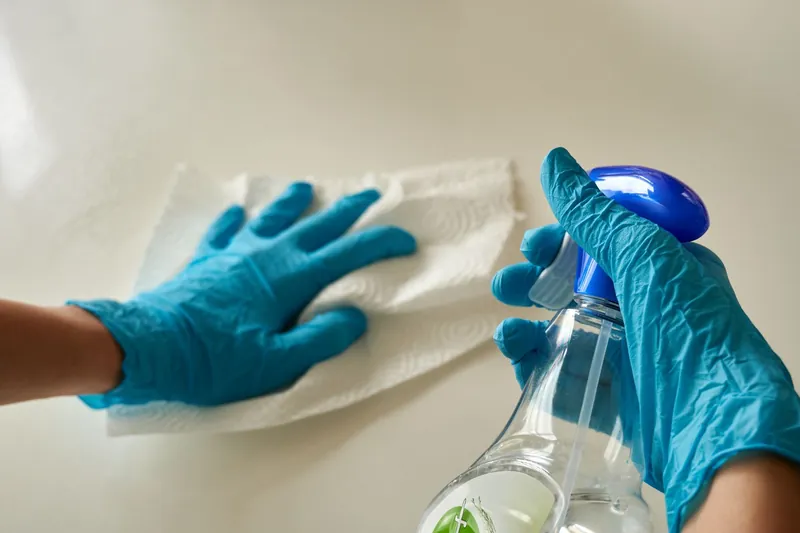
Raw sewage receives treatment as Category 3 black water. The planned work needs to include removing wastewater, managing porous contamination, cleaning surfaces, applying disinfectant and completing drying.
Choose an EPA-registered disinfectant approved for the intended application, and keep the surface wet throughout its labeled contact time.
Sewage-soaked drywall, carpet and pad are bagged and taken to an approved disposal site under local and Colorado rules, so they do not go out with household trash.
Local health and building rules can affect how a contaminated room is cleaned and when it can be used again, so mention any notice you have received from the city or county.
There is no single safe timeline for sewage cleanup. The work continues through extraction, removal, cleaning and drying, and the space should not move to restoration until moisture readings and the final check support that decision.
The full raw sewage cleanup guide covers what is cleaned or removed, odor and air quality work, and the rules that apply in your state.
Read the full raw sewage cleanup guideContainment, entry and cleanup plans can be influenced by local housing, population and access details.
A listed distance of 2.2 miles to Denver Health & Hospital Authority gives a practical medical reference when someone has contacted blood or waste.
Westwood is near Little Saigon, Mar Lee, and Barnum, so say which town or neighborhood the property is in when you share its address.
Properties within this Denver neighborhood may share alleys, entries, or parking, so equipment movement should be planned around nearby residents.
Ask on the call about cleanup options for neighboring communities and ZIP codes.
Basements, lower levels and floor drains receive cleanup after a sewer backup.
See sewer backup cleanup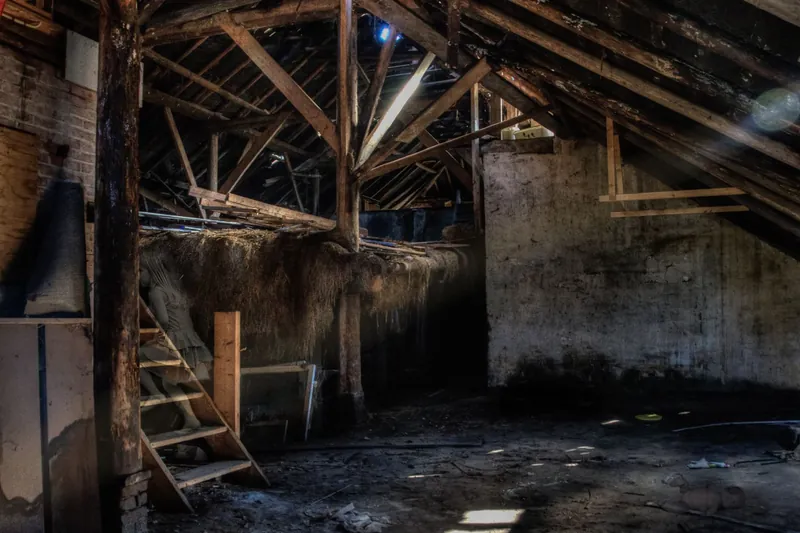
Crawl space sewage cleanup, including soaked insulation and soil.
See crawl space sewage cleanup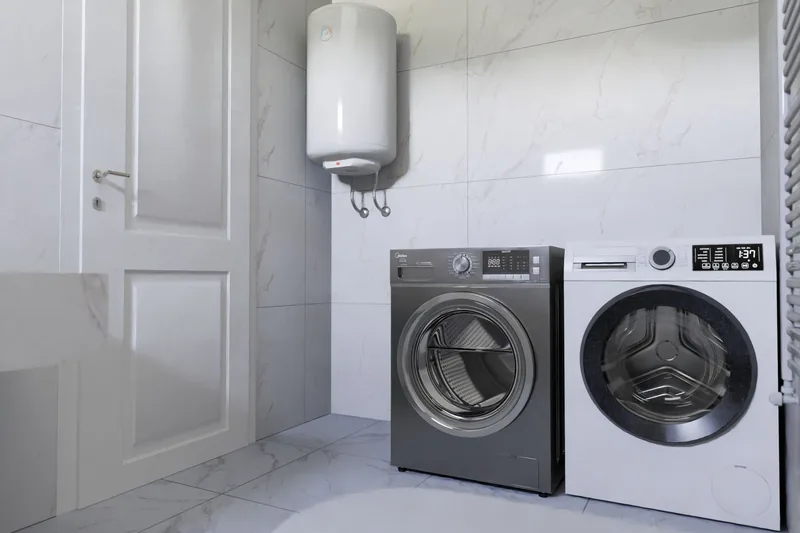
Disinfection accompanies human feces cleanup in public restrooms, homes and rental properties.
See human feces cleanup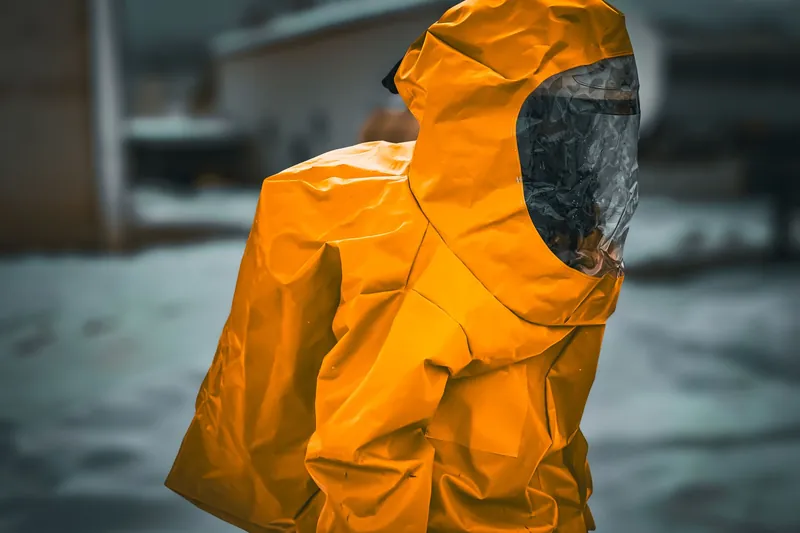
Blood, body fluids and other infectious materials are removed, followed by property disinfection.
See biohazard cleanup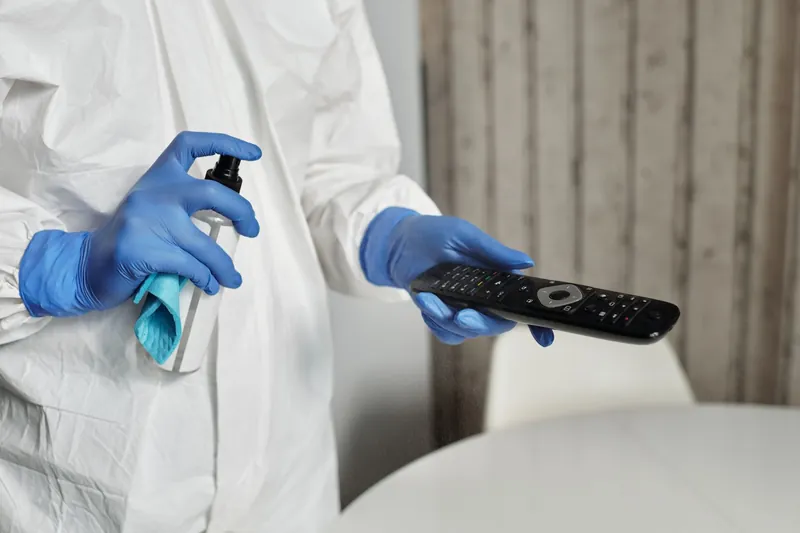
A contaminated space is restored to safe use through biological remediation and contaminant removal.
See biohazard remediation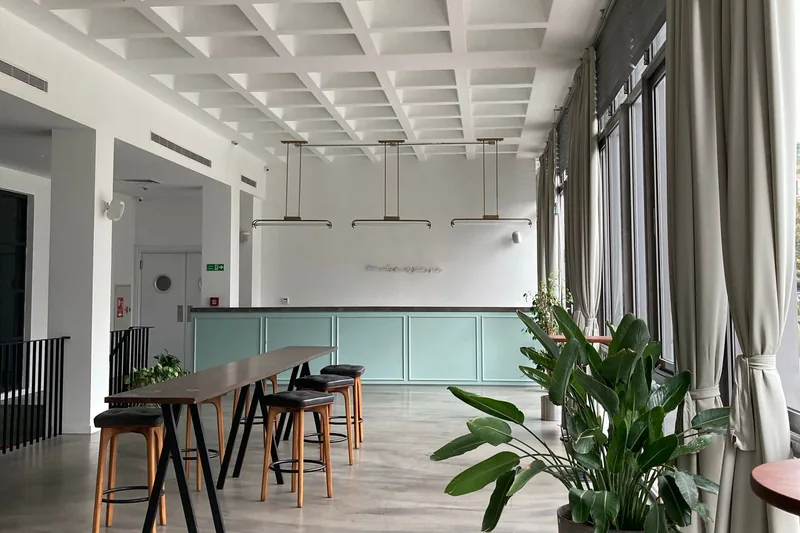
Commercial and industrial sites receive biohazard cleanup arranged around operating needs and site access.
See commercial and industrial biohazard cleanup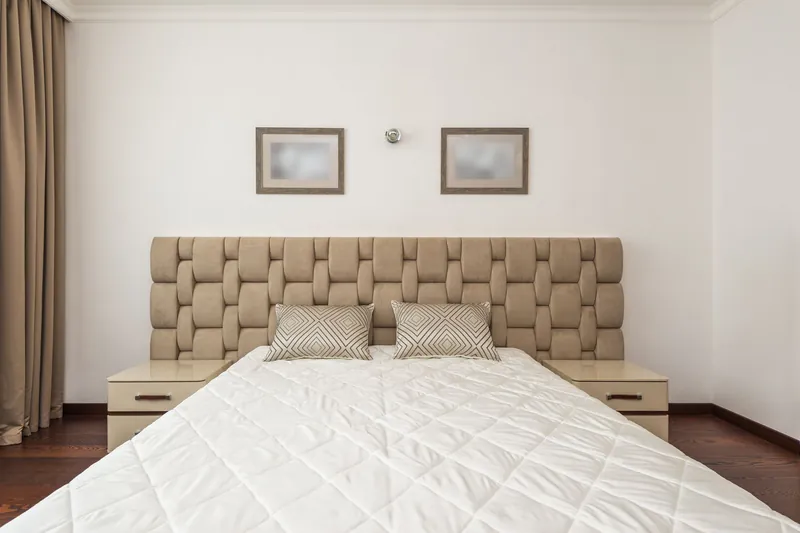
Hotels, rental properties and Airbnb units receive biohazard cleanup.
See hotel, Airbnb and rental biohazard cleanup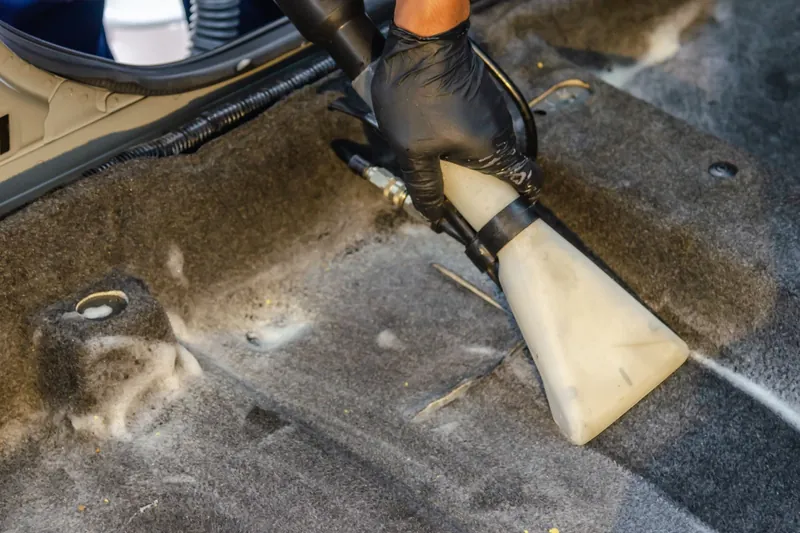
Carpet and upholstered items receive biohazard cleaning or are removed safely if necessary.
See biohazard carpet and upholstery cleaningYour first steps are to pause water use and have someone correct the sewer or plumbing source. Keep people and pets away. Professional cleanup begins by removing sewage and contaminated materials that are absorbent. Technicians clean surfaces, treat them with a disinfectant registered by the EPA for the complete label time, dry the building and measure moisture before restoration.
Call a plumber or sewer professional to stop the source, and call a sewage cleanup company for contaminated water removal, material removal, disinfection and drying. If electricity may be exposed, stay out of the water and contact the proper utility or a qualified electrician before anyone enters the area.
The source is corrected first, then access is controlled and standing waste is removed. Sewage-exposed porous items, including insulation, might have to be discarded. Crews wash and disinfect surfaces they can access, then dry the crawl space and take moisture readings. Soil, limited access and hidden plumbing can change the work plan.
A plumber usually finds and repairs the blockage, broken pipe or failed fixture that caused the backup. Contamination that remains in your building requires sewage cleanup services. Confirm who is responsible for each stage, including the plumbing fix, wastewater removal, material disposal, disinfection and drying.
Published guides list $2,000 to $10,000 for many sewage cleanup projects. Factors behind the actual cost include affected square footage, Category 3 water spread, porous material removal, ease of access, structural drying and waste disposal. Inspecting the affected area is necessary because backups that look alike may differ greatly in damage you cannot see.
Pooled sewage must come out first. Next, soil is cleaned from the concrete, and an EPA-registered disinfectant remains on the surface for its labeled contact time. Because wastewater may spread farther than the stain you see, inspect adjacent porous items, wall edges, joints and concrete cracks. Cleaning is followed by structural drying and a last odor assessment.
Discreet, respectful raw sewage cleanup, 24 hours a day, with crews in unmarked vehicles.